

You’re already doing the right things.
Eating somewhat clean, moving your body, trying to sleep before midnight. And yet, energy still dips by 3 PM, recovery takes longer than it should. On top of that, your supplement shelf looks like a small pharmacy with no pharmacist.
So you start researching. Within ten minutes, you’re buried in two overlapping categories: natural protein powder and nutrition powder for adults. Both promise better health. Both come in similar packaging and ingredient lists.
But did you know they’re solving different problems? Sure, picking the wrong one isn’t dangerous, but it is a waste of money… and more importantly, a waste of the effort you’re already putting into your health.
This blog cuts through the noise.
What Are These Powders, Really?
Without wasting any time, let’s find out what the fuss is all about.
What Is Natural Protein Powder?
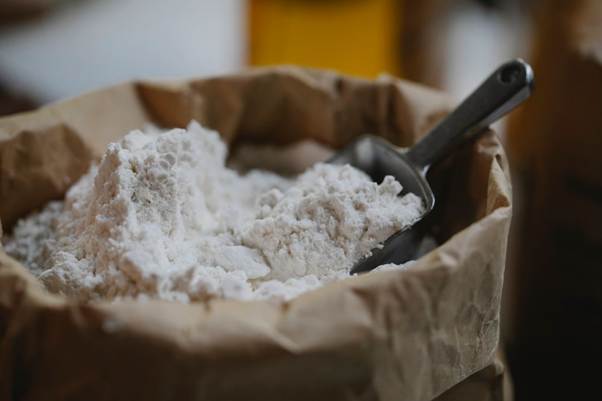
Natural protein powder is exactly what it sounds like: a concentrated protein source derived from whole-food ingredients, with minimal processing and no artificial additives. Ever heard of pea protein, hemp, brown rice, or grass-fed whey? Yep, this is it.
The “natural” part matters because a lot of protein powders on the market are loaded with artificial sweeteners, fillers, and proprietary blends that tell you nothing about actual dosages.
The job of a natural protein powder is targeted: deliver a meaningful amount of protein per serving to support muscle repair, satiety, and recovery. That’s largely it.
What Is Nutrition Powder for Adults?
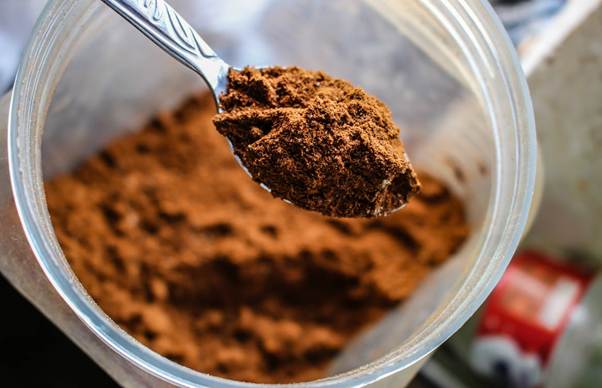
Nutrition powder for adults is broader in scope. Instead of zeroing in on one macronutrient, it’s designed to fill the gaps that even a reasonably good diet tends to leave – micronutrients, adaptogens, digestive support, energy-sustaining herbs, and sometimes a modest protein contribution too.
Ingredients commonly found in quality nutrition powders include moringa, amla, ashwagandha, turmeric, B-vitamins, and digestive enzymes. Many are rooted in Ayurvedic tradition, which has a 3,000-year head start on the concept of functional food.
Key Difference Between Natural Protein Powder & Nutrition Powder for Adults
| Factors | Natural Protein Powder | Nutrition Powder for Adults |
| Primary Goal | Muscle repair, satiety, protein intake | Fill nutritional gaps, daily energy, immunity |
| Key Nutrients | Protein, amino acids, BCAAs | Vitamins, minerals, adaptogens, fiber |
| Best Time to Use | Post-workout or between meals | Morning, with breakfast |
| Ideal For | Active adults, fitness-focused individuals | Busy adults, those with dietary gaps |
| Scope | Targeted (one macronutrient) | Broad-spectrum daily support |
What Can Each One Do for Your Daily Life?
Two powders, two very different jobs. Here’s what each one actually delivers when you use it consistently and correctly.
Benefits of Natural Protein Powder
- Slows muscle loss: Adults lose 3–8% of muscle mass per decade after 30; adequate protein is one of the most evidence-backed ways to counter it.
- Keeps hunger in check: Higher protein intake has been shown to significantly reduce late-night snacking and obsessive food thoughts.
- Supports faster recovery: Muscle protein synthesis is most effective when protein is consumed within 30–45 minutes post-training.
- Convenient protein top-up on days when whole food sources fall short.
Nutrition Powder for Adults
- Fills real nutritional gaps: A significant portion of Indian adults are deficient in iron, Vitamin D, B12, and calcium even on a seemingly balanced diet.
- Manages stress at a physiological level: Ashwagandha has peer-reviewed evidence for reducing cortisol and improving stress resilience.
- Delivers concentrated micronutrients: Moringa carries over 90 nutrients and 46 antioxidants; amla is among the richest natural sources of Vitamin C on earth.
- Supports steadier energy, gut function, and immunity: Not dramatically, but consistently, which is actually the point.
What People Get Wrong About Each

- Treating protein powder as a meal replacement: It isn’t a meal. A scoop of protein powder gives you protein. It does not give you fiber, healthy fats, phytonutrients, or the range of micronutrients a real meal provides. Using it as a meal substitute regularly is nutritional tunnel vision.
- Assuming “nutrition powder” means high protein: Many adults buy nutrition powders expecting a significant protein hit and feel shortchanged when they read the label. These products are not trying to be protein powders. They’re trying to be something the modern diet genuinely lacks: broad, intelligent daily nourishment.
- Buying “natural” at face value: The word natural has no regulated definition in the supplement industry. A product can call itself natural and still contain sucralose, artificial flavors, and a proprietary blend that hides individual dosages. Always check: are the sources named? Are the quantities listed? If the answer to either is no, move on.
- Over-supplementing without purpose: Some adults stack five supplements daily without understanding why each one is there. More is not always better and in some cases, it’s just expensive.
How to Use Them in Your Daily Routine
The good news: these two products are not in competition. They serve different roles and can coexist without overlap, as long as you’re being intentional.
A practical daily structure looks like this:
- Nutrition powder in the morning, mixed into warm water, a smoothie, or with breakfast. This sets your nutritional baseline for the day when your gut is most receptive.
- Natural protein powder post-workout, within that 30–45 minute recovery window, or as a mid-afternoon protein hit if your lunch was light.
If you’re not particularly active and your main concern is daily health rather than muscle performance, nutrition powder alone may be entirely sufficient. If you train consistently and already eat a nutrient-rich diet, natural protein powder might be the only gap you have..
So, Which One Should You Choose?
Choose natural protein powder if you train regularly, are trying to build or maintain muscle, follow a diet that’s often protein-light (common in plant-based eating), or want faster post-workout recovery.
Choose nutrition powder for adults if your diet lacks variety, you’re frequently low-energy without obvious reason, you’re managing daily stress, or you’re thinking about long-term preventive health rather than short-term performance.
This is where 9tattvas comes in. Their approach to nutrition is grounded in exactly this philosophy: Ayurvedic ingredients that actually have science behind them, formulated without the artificial additives that make so many “health” products a contradiction in terms. If you’re building a daily health routine from the ground up, their range is a sensible place to start.
Frequently Asked Questions (FAQs)
Q. What is the difference between natural protein powder and nutrition powder for adults?
- Natural protein powder focuses on delivering a concentrated dose of protein for muscle repair and satiety. Nutrition powder for adults is broader. It targets daily nutritional gaps with vitamins, minerals, and functional herbs.
Q. Can I take both together?
- Yes, and for active adults with nutritional gaps, it’s often the smart move. Use nutrition powder in the morning as your daily foundation and protein powder post-workout. There’s minimal overlap when both are well-formulated.
Q. Which is better for adults over 40?
- Both, for different reasons. After 40, muscle loss accelerates and micronutrient absorption often declines. A natural protein powder addresses the former; a quality nutrition powder for adults addresses the latter.
Q. Is natural protein powder actually better than regular protein powder?
- For most adults, yes. Fewer artificial additives means less digestive stress and a cleaner ingredient profile. The protein content is comparable, what differs is everything else that comes along with it.
Q. How much protein do adults actually need per day?
- The general recommendation is 0.8 g per kg of body weight for sedentary adults. For those who exercise regularly, that number rises to 1.2–2.0 g per kg depending on activity intensity.
Q. Are Ayurvedic nutrition powders effective?
- Increasingly, yes and that too by clinical standards, not just tradition. Ingredients like ashwagandha, amla, and moringa have peer-reviewed research supporting their efficacy for stress, immunity, and micronutrient density respectively.