

So, you’ve decided to eat better?
Good for you.
You must’ve opened a browser, typed “healthy morning drink,” and suddenly you’re staring at two options that sound almost identical: millet health mix and multigrain health mix. Both promise better energy. Both have earthy-sounding ingredients. Both make you feel virtuous just reading the label.
But which one is actually worth buying?
Most comparison articles will tell you “both are great, it depends on your lifestyle!” and leave you more confused than when you started. This one won’t. By the time you finish reading, you’ll know exactly what’s in each, how they stack up nutritionally, and which one is good for your body.
Let’s get into it.
What Is a Millet Health Mix?
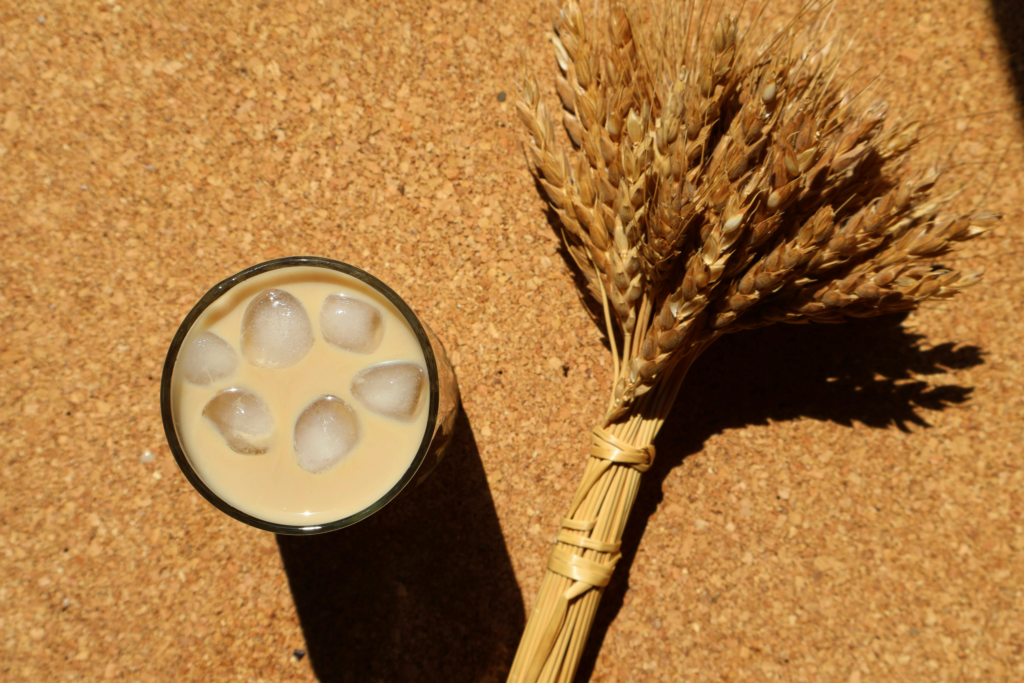
A millet health mix is a powdered health drink made primarily from millets, a family of ancient grains that humans have been eating for over 10,000 years. This is ragi (finger millet), bajra (pearl millet), jowar (sorghum), and foxtail millet, often combined and milled into a fine, ready-to-mix powder.
These grains were staple foods across India, Africa, and China long before quinoa became everybody’s go-to.
Nutritionally, millets bring a lot to the table. They’re naturally gluten-free, high in dietary fiber, and have a low glycemic index, meaning they don’t spike your blood sugar the way refined carbs do. Ragi alone is one of the richest plant-based sources of calcium, with 100g providing roughly 344mg, more than most dairy servings. Pearl millet is loaded with iron, which makes it particularly valuable for people dealing with anaemia.
What Is a Multigrain Health Mix?

A multigrain health mix casts a wider net. Instead of focusing on one grain family, it brings together wheat, oats, barley, corn, soy, and sometimes millets under one roof. The philosophy is simple: more grains, more nutrients.
And there’s something to that logic. Oats contribute beta-glucan, a soluble fiber with well-documented benefits for heart health and cholesterol. Barley adds B vitamins. Soy bumps up the protein content considerably. Together, they create a drink that’s energy-dense and protein-forward.
The catch? “Multigrain” is not the same as “whole grain.” A multigrain mix can technically include refined versions of these grains and still wear the label. So if you’re not reading the ingredient list carefully, you might be paying a premium for something that isn’t as wholesome as it sounds.
Head-to-Head Comparison: Millet Health Mix vs Multigrain Health Mix
Here’s where things get interesting.
| Parameter | Millet Health Mix | Multigrain Health Mix |
| Primary Ingredients | Ragi, bajra, jowar, foxtail millet | Wheat, oats, barley, corn, soy |
| Glycemic Index | Low | Moderate |
| Gluten-Free | Yes | No |
| Protein Content | Moderate | Higher |
| Fiber Content | High | Moderate to High |
| Digestibility | Easy | Moderate |
| Best For | Blood sugar, gut health, weight management | Energy, muscle recovery, active lifestyles |
| Taste | Earthy, nutty | Mild, slightly sweet |
Health Benefits Deep-Dive
Benefits of Millet Health Mix
- Blood sugar management: The low glycemic index of millets makes them one of the better food choices for people managing diabetes or insulin resistance. They digest slowly, releasing energy gradually rather than all at once.
- Gut health: Millets are rich in prebiotic fiber, the kind that feeds good bacteria in your gut. A happy gut microbiome is linked to everything from better immunity to improved mood, so this isn’t a small deal.
- Bone strength: Ragi’s calcium content is genuinely impressive. For people who don’t consume dairy, whether by choice or intolerance, a ragi-based millet health mix is one of the better plant-based ways to meet daily calcium needs.
- Weight management: High fiber keeps you fuller for longer. If your morning drink is keeping you satisfied until lunch without a mid-morning snack raid, that’s the fiber doing its job.
- Gluten-free by nature: No clever reformulation needed. Millets are inherently gluten-free, which matters for people with celiac disease or gluten sensitivity.
Benefits of Multigrain Health Mix
- Sustained energy: Complex carbohydrates from oats, barley, and wheat release energy steadily over time. For someone with a physically demanding job or a morning workout habit, this kind of slow-burn fuel is genuinely useful.
- Higher protein: Soy and certain grain combinations in a multigrain health mix can push the protein content significantly higher than most millet-only blends. Protein matters for muscle repair, satiety, and keeping your metabolism running efficiently.
- Heart health: The beta-glucan in oats has one of the strongest evidence bases in nutrition. Studies consistently show it helps reduce LDL (bad) cholesterol, which is a meaningful benefit for cardiovascular health.
- Nutrient variety: Different grains mean different micronutrients. A well-formulated multigrain mix can cover a broader spectrum of B vitamins, zinc, and magnesium in a single serving than a single-grain family blend can.
How to Bring Health Mix into Your Daily Routine

Both options are flexible, which is part of their appeal.
The most common approach is the warm morning drink, mix a couple of tablespoons into warm milk or water, add a bit of jaggery or honey if you like things slightly sweet, and you’ve got a nutritious breakfast in under two minutes. It’s the kind of habit that’s easy to actually stick to.
Beyond the obvious, you can use health mix powder in smoothies, stir it into porridge, or mix it into pancake batter for a nutrient boost without changing the dish dramatically. The earthy flavour of millet mixes works particularly well in overnight oats and energy balls.
One thing that matters more than most people realize: consistency. A health mix you drink every day beats a more “optimal” one that sits in your cupboard because you find the taste tolerable at best.
Which One Should You Choose?
Here’s the honest answer:
- Choose a millet health mix if you’re managing blood sugar, you’re gluten-intolerant, you want something lighter and easier on digestion, or you’re drawn to minimally processed, ancient-grain nutrition.
- Choose a multigrain health mix if you’re active, your protein intake needs a boost, or you want the broadest possible nutrient spread from a single drink.
- Alternate between both if you want to stop overthinking it, rotating through the week means you get the benefits of both without committing to one.
Regardless of which category you lean toward, the quality of ingredients matters more than the category itself. A millet health mix made from whole millets with nothing artificial added will always outperform a multigrain mix made from refined grains dressed up with a clean label.
This is exactly the thinking behind 9tattvas, clean-label health mixes built around whole, honestly sourced ingredients, where what’s on the label is exactly what’s in the packet. If you haven’t already, their range is worth a look.
Frequently Asked Questions (FAQs)
Q. Can I drink a health mix every day?
- Yes. Both millet and multigrain health mixes are designed for daily consumption. In fact, daily use is when you’ll actually notice the benefits, improved digestion, steadier energy, and better satiety over time.
Q. Which is better for weight loss millet or multigrain?
- A millet health mix generally has an edge here because of its higher fiber content and lower glycemic index, both of which support appetite control and steadier blood sugar. That said, weight management is more about overall diet and activity than any single food.
Q. Is a millet health mix safe for children?
- Yes, most millet health mixes are safe and nutritious for children. Ragi-based mixes in particular are commonly used in infant and toddler nutrition in India. Always check the label for added sugars or unnecessary additives.
Q. What’s the best time to drink a health mix?
- Most people drink it at breakfast for sustained morning energy. Post-workout is also a good window, especially for multigrain mixes where the higher protein content supports muscle recovery.
Q. Does multigrain mean it’s automatically healthier?
- Not necessarily. “Multigrain” just means more than one grain is present, it says nothing about whether those grains are whole or refined. Always check the ingredient list and prioritize brands that use whole grain sources.