

You’re sitting at your desk. It’s 2:30 PM. You’ve already had your morning coffee, eaten a decent lunch, and yet your brain feels like it’s buffering. Sound familiar?
That 1 to 4 PM energy crash is not a personal failing. It’s biology. Your body runs on a circadian rhythm, and the science is clear: cortisol (the hormone that keeps you sharp and alert) dips significantly in the early afternoon, pulling your energy down with it. The dip happens to everyone, every single day. The question is just what you reach for when it hits.
Most people grab a sugary energy drink. And for a few minutes, it works… until it spectacularly doesn’t. The crash that follows a high-sugar drink is often worse than the original slump itself.
But Why Your Brain Shuts Down After Lunch (And What It Actually Needs)
Before we get into the drinks, here’s something most blogs skip: your afternoon fatigue is not hunger, it’s not laziness, and it’s usually not even sleep deprivation.
In a significant number of cases, it’s dehydration. Research from the University of Connecticut found that a body water loss of just 1–2% is enough to cause fatigue, difficulty concentrating, and mood changes and this happened even when subjects were at rest, not exercising. You don’t need to feel thirsty to be dehydrated. By the time thirst kicks in, the fog is already there.
The right energy health drink doesn’t pump you with stimulants. It rehydrates, replenishes, and works with your natural rhythms. Keep that in mind as you read through this list.
10 Natural Energy Health Drinks for Adults
1. Matcha Green Tea
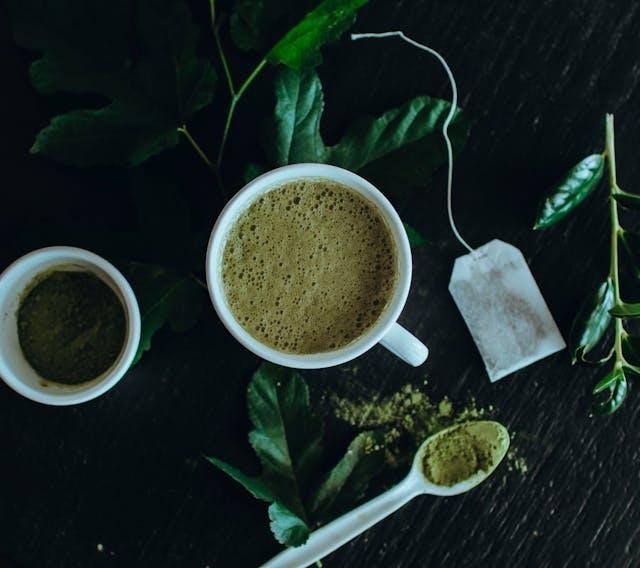
Matcha is made from whole shade-grown green tea leaves ground into powder, which means you’re consuming the entire leaf. The result is a drink with roughly 70–75mg of caffeine per cup, but here’s what makes it genuinely different from coffee: it also contains L-theanine, an amino acid that slows the absorption of caffeine into your bloodstream. Instead of a jolt and a crash, you get a smooth, sustained lift that lasts 4–6 hours.
It’s particularly good for desk workers and anyone who needs focus without the jitteriness that coffee sometimes brings.
2. Yerba Mate
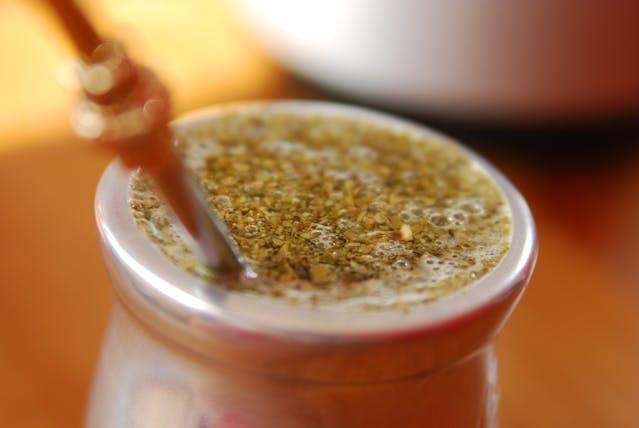
Here’s a strange one: the Indigenous Guaraní people of Paraguay, the first to drink yerba mate centuries ago, considered it a gift from the gods. Today, Lionel Messi, Luis Suárez, and Neymar are known to drink it regularly. Make of that what you will.
Yerba mate contains about 80mg of caffeine per cup, similar to coffee, but also packs theobromine and theophylline, two additional stimulant compounds that work together to deliver a broader, gentler energy effect. It’s less likely to cause jitters than coffee, and contains more antioxidants than green tea.
3. Coconut Water
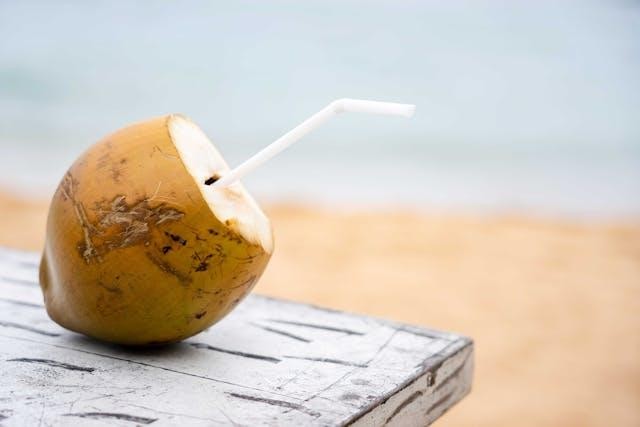
Coconut water is genuinely one of the most underrated health drinks for adults because it solves a problem most people don’t know they have: electrolyte depletion.
A single cup of coconut water delivers around 600mg of potassium, more than a banana, along with sodium, magnesium, and calcium. These electrolytes keep your cells hydrated at a functional level, which directly supports energy production. If your 3 PM slump is accompanied by a mild headache, there’s a good chance your body is asking for electrolytes, not caffeine.
4. Kombucha

Kombucha is fermented tea, which means it comes loaded with probiotics which are the bacteria that support gut health. This matters for energy because roughly 70% of your immune function sits in your gut, and a well-supported gut tends to produce more stable serotonin levels, which affects mood and energy regulation.
Look for a low-sugar variety (under 6g per 250ml). The natural carbonation makes it feel like a treat in the afternoon, and most people find it genuinely satisfying as a coffee substitute.
5. Beet Juice
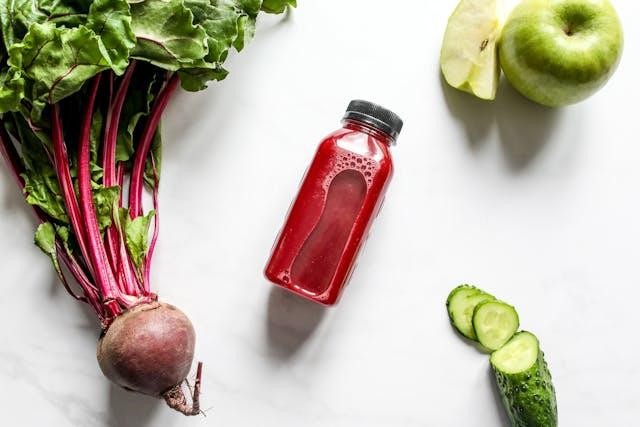
This one might sound like a punishment. It isn’t.
This health drink for adults is one of the most well-researched natural performance enhancers available. The nitrates in beetroot convert to nitric oxide in the body, which dilates blood vessels and improves oxygen delivery to your muscles and brain.
6. Ginger Lemon Honey Drink
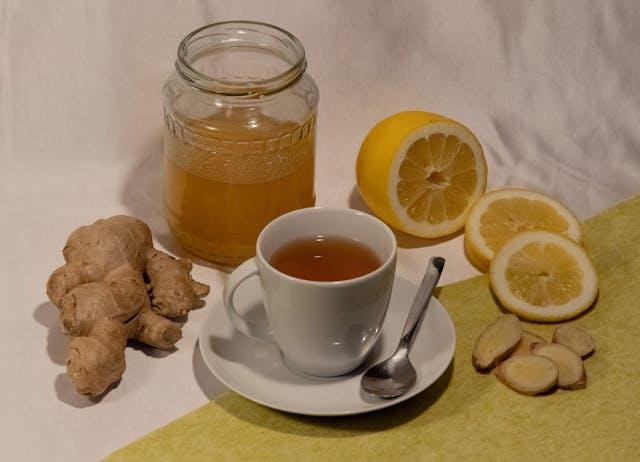
This one is the DIY classic, and it deserves a spot on every adult’s weekly rotation.
Ginger is a potent anti-inflammatory. Lemon provides vitamin C and aids in iron absorption (low iron is one of the most common and underdiagnosed reasons for persistent fatigue, especially in women). Raw honey offers trace enzymes and a gentle, slow-releasing natural sugar that won’t spike your blood glucose the way refined sugar does.
7. Turmeric Golden Milk
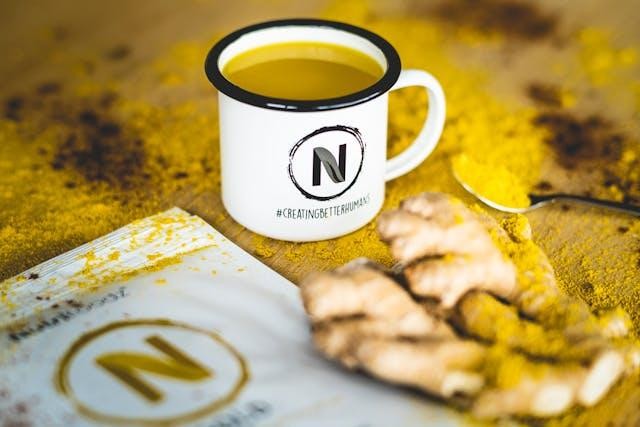
Curcumin, the active compound in turmeric, is one of the most studied natural anti-inflammatories on the planet. Chronic low-grade inflammation is a surprisingly common cause of persistent fatigue in adults and turmeric addresses it at the source.
Golden milk is simply warm milk (dairy or plant-based) blended with turmeric, a small amount of black pepper (which increases curcumin absorption by up to 2,000% – that’s not a typo), and a pinch of cinnamon for blood sugar balance. It’s naturally caffeine-free, which makes it a good option for anyone sensitive to stimulants or looking for a late-afternoon option that won’t affect sleep.
8. Ashwagandha Adaptogen Drink

Adaptogens are a category of plant compounds that help your body adapt to stress.
Ashwagandha is the best-studied one, and its effect on energy is indirect but real: it lowers cortisol. Not the afternoon cortisol dip… the chronic, elevated baseline cortisol that comes from sustained stress, poor sleep, and a body running on empty.
When cortisol is chronically high, it exhausts your adrenal glands. The result is constant fatigue, regardless of how much you sleep. Ashwagandha helps recalibrate that system. Add half a teaspoon of ashwagandha powder to warm oat milk with a little honey. Give it two to three weeks to work.
9. Green Smoothie (Spinach + Banana + Chia)
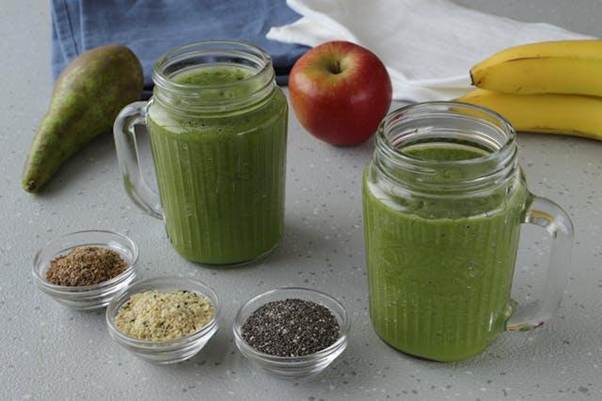
Before you roll your eyes, this is not a punishment smoothie.
Spinach is almost tasteless when blended with banana, and what you get is a drink that covers iron, magnesium, potassium, omega-3s, and slow-release carbohydrates in a single glass.
Magnesium deficiency is another quiet epidemic in adults, and magnesium plays a direct role in over 300 enzymatic reactions in the body, including energy production. A handful of spinach, one banana, a tablespoon of chia seeds, and 250ml of your preferred milk, blended. Done in 90 seconds.
10. Sparkling Water + Lemon + Mint
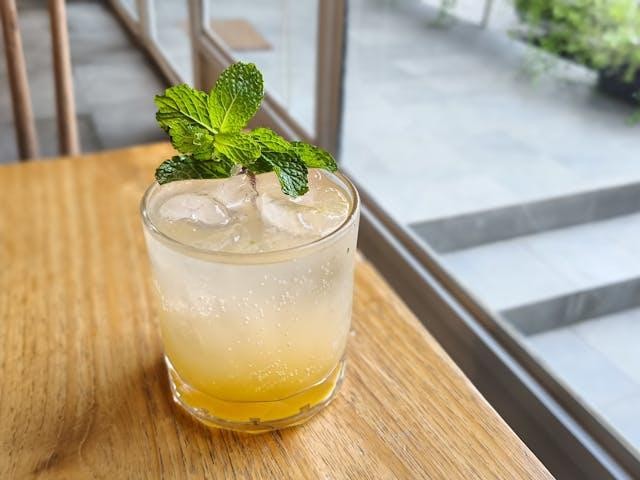
This last one is for the people who have already had their caffeine quota for the day and are looking for a sensory reset rather than another stimulant hit.
Sometimes the afternoon slump is less about energy and more about sensory monotony like staring at the same screen in the same chair in the same room. Cold sparkling water with fresh lemon juice and a few torn mint leaves activates the senses without adding caffeine or calories. The carbonation creates a physical alertness trigger, the lemon scent is genuinely stimulating, and the cold temperature helps raise your alertness briefly. It’s stupidly simple and surprisingly effective.
A Quick Refresh: All 10 Energy Health Drinks at a Glance
| Drink | Caffeine | Best For | Key Benefit |
| Matcha Green Tea | ~70mg | Focus, desk work | Sustained lift via L-theanine |
| Yerba Mate | ~80mg | Athletes, all-day energy | Broad stimulant profile |
| Coconut Water | None | Dehydration fatigue | Electrolyte replenishment |
| Kombucha | Trace | Gut health, mood | Probiotics + serotonin support |
| Beet Juice | None | Physical energy | Nitrates, blood oxygenation |
| Ginger Lemon Honey | None | Anti-inflammatory reset | Iron absorption + warmth |
| Golden Milk | None | Caffeine-sensitive adults | Curcumin, blood sugar balance |
| Ashwagandha Drink | None | Chronic stress fatigue | Cortisol regulation |
| Green Smoothie | None | Nutrient deficiency fatigue | Magnesium, iron, omega-3s |
| Sparkling Lemon Mint | None | Sensory reset | Zero stimulants, instant refresh |
The Bottom Line
The midday slump is real, it’s physiological, and it will keep happening regardless of how much willpower you throw at it. What changes the outcome is what you give your body when it dips.
Most commercial energy drinks are built to spike fast and crash hard. The drinks on this list are built to actually work by hydrating you, reducing inflammation, supporting your gut, and giving your body what it’s genuinely low on rather than just flooding it with stimulants.
At 9tattvas, this philosophy of working with the body, not against it, sits at the heart of everything we do. Real ingredients. Real function. No shortcuts.
Try one drink from this list every day this week. Notice which one your body responds to. That’s the right drink for you.
Frequently Asked Questions
What is the healthiest energy drink for adults?
Matcha green tea is consistently ranked among the top health drinks for adults because of its L-theanine and caffeine combination, which provides sustained energy without a crash. For caffeine-free options, coconut water with electrolytes and golden milk are both excellent.
What can I drink for energy instead of coffee?
Yerba mate, matcha, or a green smoothie all provide energy through different mechanisms, caffeine, adaptogens, or nutrient delivery, without the acidity or jitteriness that coffee can cause in sensitive individuals.
Are natural energy drinks safe every day?
Most of the drinks on this list are safe for daily consumption. Caffeinated options like matcha and yerba mate should stay within the FDA’s recommended limit of 400mg of caffeine per day for healthy adults. If you have a health condition, check with your doctor first.
What should I drink during a midday slump?
Start with water or coconut water to rule out dehydration, then move to matcha or kombucha if you need more of a lift.
Can I make a healthy energy drink at home?
Yes, ginger lemon honey, golden milk, and the sparkling lemon mint water on this list require no special equipment or unusual ingredients. Five minutes is all it takes.